
The Beautiful Benefits of Babywearing
Babywearing, the practice of wearing your baby in a wrap or carrier, has been practiced for millennia around the world. Although it seems that babywearing is just a new trend, it is actually an ancient human practice that allowed caregivers to keep infants close and their hands free while working. It may seem that babywearing is mostly a matter of convenience, but there are actually many benefits of babywearing that go beyond just “being convenient.”

The History of Babywearing
As noted above, babywearing is not a new trend but an ancient practice that has reemerged over the years. Babywearing is actually depicted in art from Pharaonic Egypt – how cool is that?!
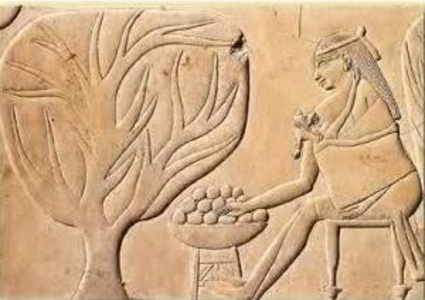
Photo Credit: ResearchGate
Early baby carriers were made from whatever was available – animal skins, simple cloth wraps, or woven plant fibers. As this practice evolved, so did the type of carrier. Primitive societies even used tree bark to create makeshift slings. For nomadic groups, baby wearing was essential for mobility and survival.
The Benefits of Babywearing
- Helps transition baby to the outside world: In the first few weeks of life, having your baby skin-to-skin helps to regulate the baby’s temperature. The baby can hear your heartbeat and listen to your breathing, which helps babies learn to breathe, relax, and trust.
- Encourages bonding with the parent: A baby has a strong need for security and attachment. Babywearing supports this bond with the parent, which will lead to greater confidence and independence later in life. It also helps build resilience and better long-term physical health. There are many shown benefits of “attachment parenting,” a term coined by pediatrician, Dr. William Sears.
- Encourages the establishment of a successful breastfeeding relationship with the mother: this is due to the oxytocin release from soft touch.
- Reduces crying, both frequency and duration (Hunziker and Barr 1986): Less crying results in more time to be in “quiet absorption’, promoting learning and positive interactions with the world.
- Allows the vestibular balance apparatus to develop more rapidly and enhances neuromotor development and muscle strength from the motion.
- Shown to decrease postpartum depression.
- Hip development: when done correctly, babywearing supports the optimal “M-position” for hip development – lowering rates of hip dysplasia and a reduced risk of adult hip arthritis.
- Protects baby’s head shape: Babywearing reduces the risk of positional plagiocephaly, a condition that can affect the shape of a baby’s head, due to the decreased time babies spend lying on their backs or with their heads resting on flat surfaces
- Improved responsiveness and sensitivity: mothers who carry their babies are more attuned to their needs. This ensures that your baby feels heard and loved, which sets the stage for positive emotional development.
- Increased productivity and ability to care for other children: Wearing your baby frees up your hands to do other things. You can go about your day while ensuring your baby is safe, warm, and that their needs are met. It’s a beautiful harmony!
In Conclusion…
The benefits listed above are only the tip of the iceberg. There are many other proven benefits to babywearing that aren’t listed here. It goes to show that babywearing is not just about convenience; it is a way to nurture your baby and promote secure attachment that will greatly benefit your child in the future. What it all boils down to, and to put it plainly, babywearing is good for the baby, and it makes life easier for the mother. A simple but profound way of viewing babywearing!


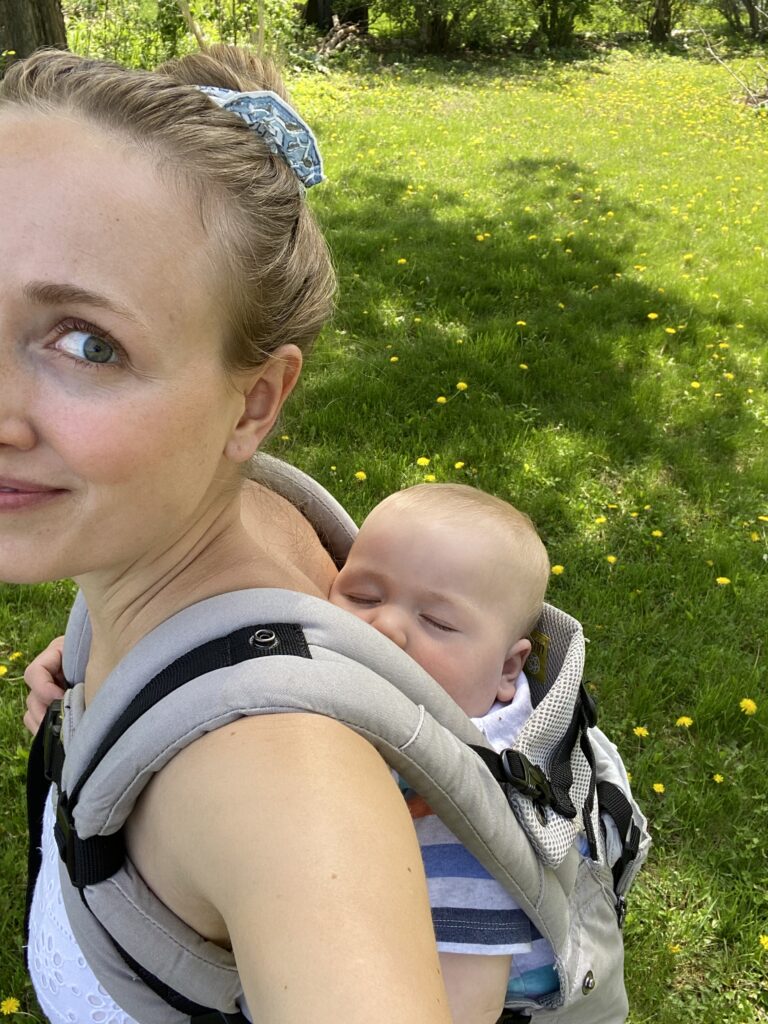
My husband babywearing our first on his back.


